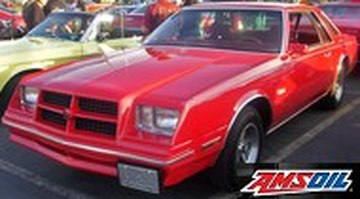
Maintaining Lubrication Standards for the 1982 Chrysler CORDOBA 5.2L
Proper engine care for a vehicle of this era requires a focus on consistent monitoring and adherence to specific fluid requirements. For owners of a 1982 Chrysler CORDOBA equipped with the 5.2L engine, maintaining the integrity of the lubrication system is a fundamental aspect of long-term mechanical health. Because older engines can exhibit different behaviors regarding fluid retention and cleanliness compared to modern vehicles, a proactive approach to inspection and oil selection is highly beneficial.Monitoring Fluid Integrity and Potential Seepage
A primary component of routine maintenance involves regular visual inspections of the engine bay. For an engine from 1982, it is useful to look for any signs of fluid seepage or leakage around various sealing surfaces. While some level of minor weeping can occur as gaskets and seals age, significant wetness or active drips should be investigated promptly. When performing these checks, focus on the areas where the engine meets the transmission and where various components are bolted to the block. Inspecting the condition of accessible hoses and any visible connections can help identify potential issues before they escalate. If you notice any fluid accumulating in the bottom of the engine bay or on the underside of the vehicle, it may indicate that a seal is no longer performing as intended. Furthermore, checking the appearance of the oil itself during routine service is an effective way to monitor engine health. Oil that appears excessively dark, gritty, or contains visible contaminants warrants closer inspection. Maintaining a clean environment around the engine can make it much easier to spot new leaks or changes in fluid condition early on.Prioritizing Maintenance Based on Current Condition
Rather than relying solely on the age of the vehicle, effective long-term ownership involves prioritizing maintenance tasks based on the actual, observed condition of the 5.2L engine. If you are stepping into ownership of a vehicle with an incomplete service history, establishing a baseline is a logical first step. This can be done by performing a comprehensive inspection of all fluids and checking for any immediate mechanical concerns. If maintenance records are available, review them to understand when the last oil change or major service was performed. If no records exist, treat the current state of the vehicle as your starting point. Addressing active leaks, unusual noises, or signs of fluid consumption should take precedence over general preventive measures. As a vehicle ages, it is wise to transition from a purely schedule-based mindset to one that incorporates more frequent observations. This means not just changing the oil at regular intervals, but also paying closer attention to how the engine behaves between those changes. Monitoring for any sudden changes in how the engine runs or sounds can provide early warnings of components that may require attention.Understanding Lubricant Functionality
The engine oil in a 5.2L Chrysler engine performs several vital roles that are essential for mechanical operation. Beyond simple lubrication, the fluid is responsible for managing heat within the engine and helping to suspend contaminants so they can be removed by the filter. Effective lubrication helps reduce friction between moving parts, which is critical for minimizing wear. Additionally, the chemical properties of the oil help prevent the buildup of deposits and sludge, which can form when oil is exposed to high temperatures and combustion byproducts over long periods. Maintaining clean, fresh oil ensures that these protective qualities remain at their peak. If you notice any unusual mechanical noises or changes in engine performance, it is important to remember that these symptoms can have multiple causes. An oil-related issue might be a factor, but it could also be related to other mechanical systems. Therefore, any significant change in operation should be investigated by a professional to ensure an accurate diagnosis.Observing Potential Warning Signs
Owners should remain vigilant for specific indicators that the lubrication system may need attention. While many issues are caught during routine inspections, some signs may only become apparent during vehicle operation. One indicator is a change in how much oil the engine seems to use between service intervals. If you find yourself needing to add fluid more frequently than before, this warrants an investigation into potential leaks or internal consumption. Another sign could be the appearance of unusual smoke from the exhaust; while this can stem from various sources, it is always worth noting during a diagnostic check. Additionally, keep an eye on any dashboard indicators. If an oil-related warning light illuminates, it requires immediate attention to prevent potential damage. It is also helpful to note if there are any changes in the smell of the engine bay, such as a burning odor, which might suggest that fluid is contacting a hot surface. Always approach these symptoms with the understanding that they are signals for further investigation rather than definitive proof of a specific part failure.Effective Record Keeping for Long-Term Care
For those looking to maximize the longevity of their 1982 Chrysler CORDOBA, keeping detailed maintenance records is an invaluable practice. Documenting every oil change, filter replacement, and mechanical repair creates a clear history of the vehicle's care. This documentation is helpful not only for your own planning but also for maintaining the vehicle's value and providing clarity to any future technicians who work on the engine. A well-maintained log should include:- The date of service.
- The specific products used (such as oil type and filter part numbers).
- Any observations made during inspections, such as minor seepage or hose condition.
- The mileage at the time of each service.